Choosing a wallpaper and an adhesive

Choose
a wallpaper

The type of wallpaper should be selected based on the colours or desired effects, but also based on the type of room and the condition of the wall. Dry rooms can accommodate all types of wall covering, whereas it is advised that you favour vinyl papers or non-woven fibres in wet rooms.


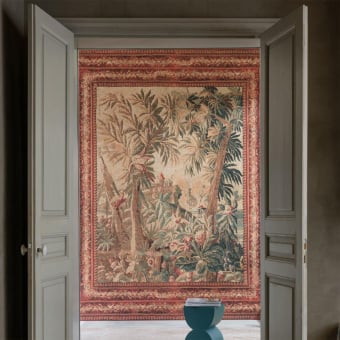
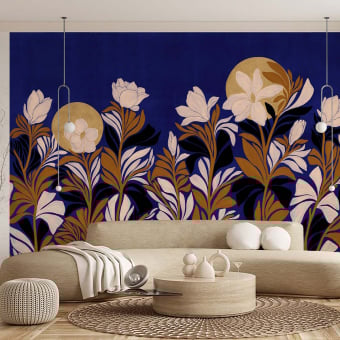
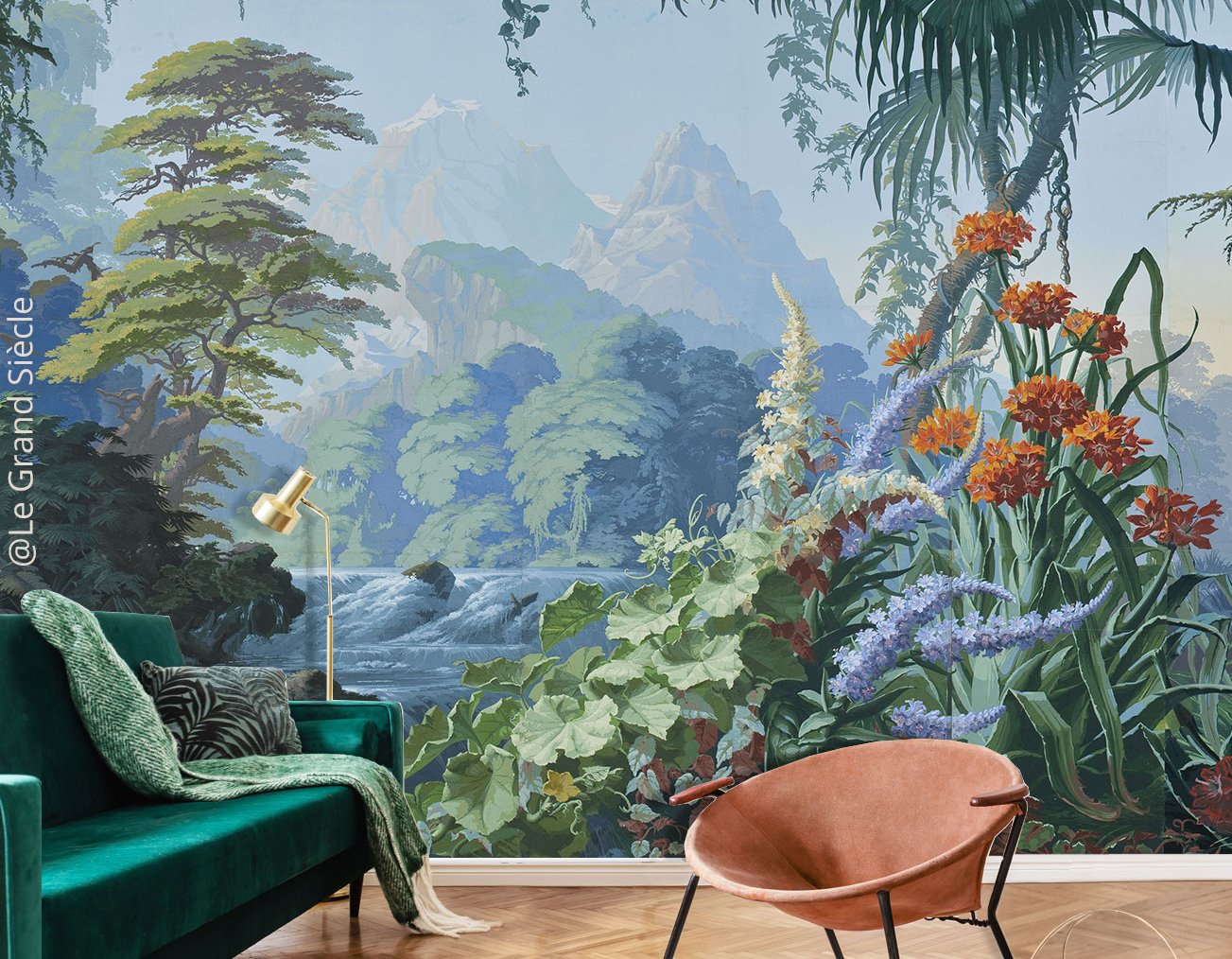
In order to transform as space, you have to recover all of the walls with a covering. For your walls, why not take a risk and go with panelling, or even a single drop with a strong pattern, to personalise a room without going over the top. You could also opt for a frieze or a border. Wallpaper could be an excellent way to breath new life into your furnishings. When carefully chosen, it uniquely complement your furniture.

WALLPAPERS

  • Traditional
  • Non-woven
  • Vinyls
  • Expanded
  • Fiberglass coverings
  • Straw coverings
  • Adhesive coverings

Traditional

These papers are made solely from sheets of printed paper. There are two different kinds. "Simplex", which is all one thickness or "duplex", which has two. In this case, the pattern is printed on the front layer, with the back layer facing the wall These papers do not offer great resistance to light or humidity. They are best suited for use in bedrooms or living rooms.

Non-woven

Made from non-woven cellulose and polyester fibres coated with a layer of vinyl or paper, non-woven papers are increasingly favoured by designers for designer wallpapers. Tear-proof and slightly thicker than a traditional wallpaper, it is intended for irregular or damaged walls as it allows you to mask minor imperfections. It is also very simple to hang: the adhesive can be applied directly onto the wall without having to first be applied to the lengths of paper. Non-woven paper is a modern material that doesn't contain any substances that are harmful to the environment or your health. Its waterproof quality means that it can be hung in wet rooms.

Vinyls

Vinyls consist of two layers. The surface layer is made from PVC, while the base layer is made from traditional paper. Resistant to humidity and washable, they are perfect for use in a kitchen or bathroom.

Expanded vinyls

Particularly durable, expanded vinyls are produced using raised inks, which create relief on the surface of the PVC used in these wallpapers. They can be painted because they are covered by a special PVC sub-layer. Thanks to their relief, they are suitable for covering imperfect walls, as they hide irregularities. Looking for something a little more unique? There exists a wide range of less common wall coverings: Japanese straw, crushed velvet, imitation leather wallpaper, wood or stone, or metallic wallpaper are but a few examples.

Fiberglass

Made from woven fiberglass mesh, these wall coverings help smooth out and reinforce uneven or damaged surfaces. Highly resistant to impact, abrasion, and cracking, they effectively conceal imperfections in the wall surface. Easy to maintain, they offer excellent durability. Particularly suitable for damp rooms, they help limit the growth of mold, depending on the model. However, the texture remains visible when pronounced, which may prevent a perfectly smooth finish. Installation and removal are slightly more challenging than with traditional wallpaper.

Straw wall coverings

These coverings are made from woven plant fibers, typically laminated onto a non-woven backing, though sometimes a more traditional backing is used. Textured and matte, they appeal for their natural, warm aesthetic. The materials, which are minimally processed, have a relatively low environmental impact. However, on high-traffic surfaces, their durability may be limited due to the relative fragility of the fiber. Sensitive to moisture, these coverings require delicate maintenance, which must be done dry. Highly decorative, they are best suited for surfaces with little direct contact.

Adhesive wall coverings

These wall coverings are made from woven plant fibers, typically laminated onto a non-woven backing, though sometimes a more traditional backing is used. Textured and matte, they appeal for their natural, warm aesthetic. The materials, which are minimally processed, have a relatively low environmental impact. However, on high-traffic surfaces, their durability may be limited due to the relative fragility of the fiber. Sensitive to moisture, these coverings require delicate maintenance, which must be done dry. Highly decorative, they are best suited for surfaces with little direct contact.

ADHESIVES

  • For lightweight papers: use a universal adhesive. Allow 200 to 250 g for 6 to 7 rolls.
  • For thick, non-textured wallpapers: use an adhesive for heavy paper (same quantity as above)
  • For flocked, embossed, velvet wallpapers or made from natural fiber: use an adhesive for special papers. Allow 200 g for 5 rolls. You will also find adhesives in tubes that are specifically intended for reinforcing the joins, as well as specific adhesives for non-woven papers, fabric and glass fibre wall coverings. Remember that if you are not sure which type of adhesive is suitable, there are also versatile reinforced adhesives that are suitable for all types of paper.

Help

In case of doubt contact us on +33 (0)9 72 30 30 39 for specialist advice.

Contact us

For any questions about an order or for information about our products, our Customer Service is here for you, Monday to Friday from 9 am to 6 pm, Paris time.